Microcement Flooring in Ireland
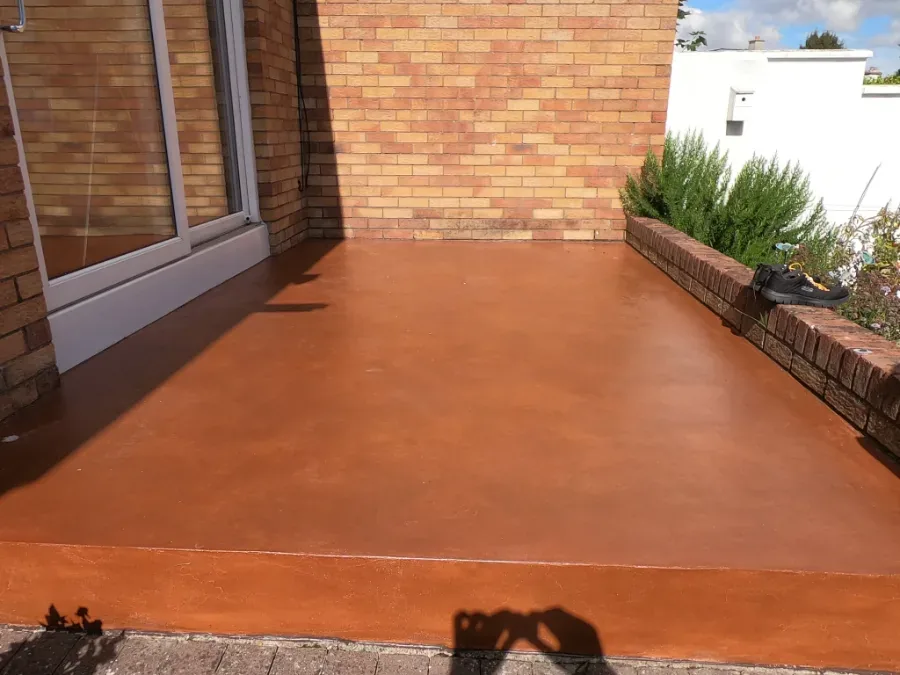
One continuous floor, 2-3 mm thick, over tile, screed or concrete. Doors and thresholds usually stay as they are.
5.0 ★★★★★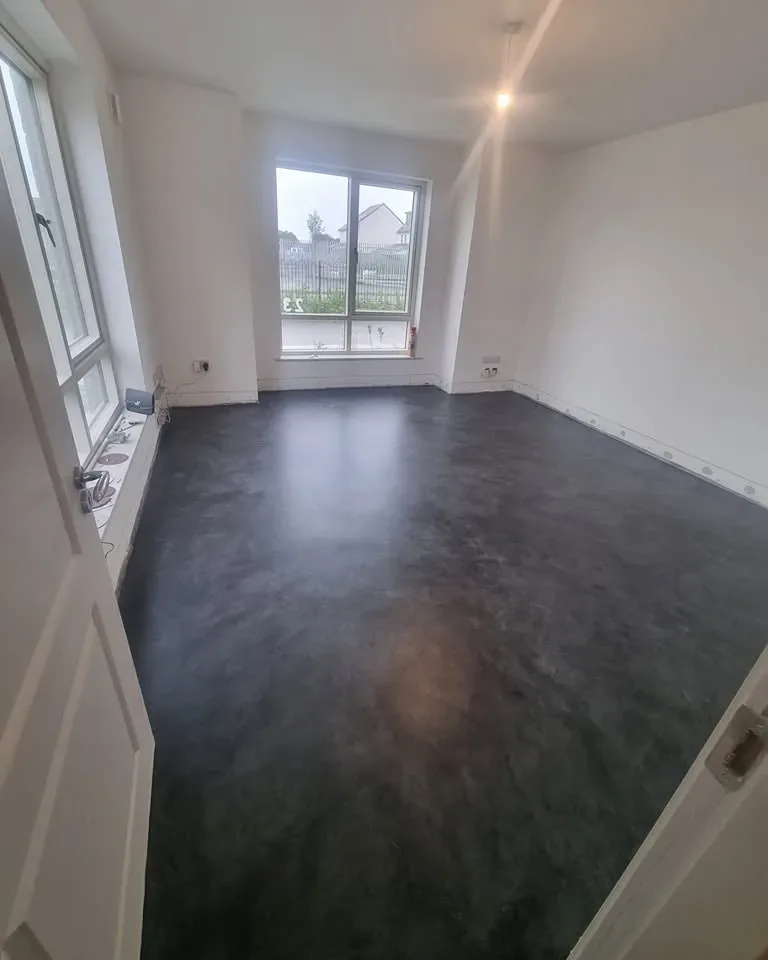
Only 2-3 mm thick
Doors usually stay as they are
One floor, no joints
Why choose us for your floor
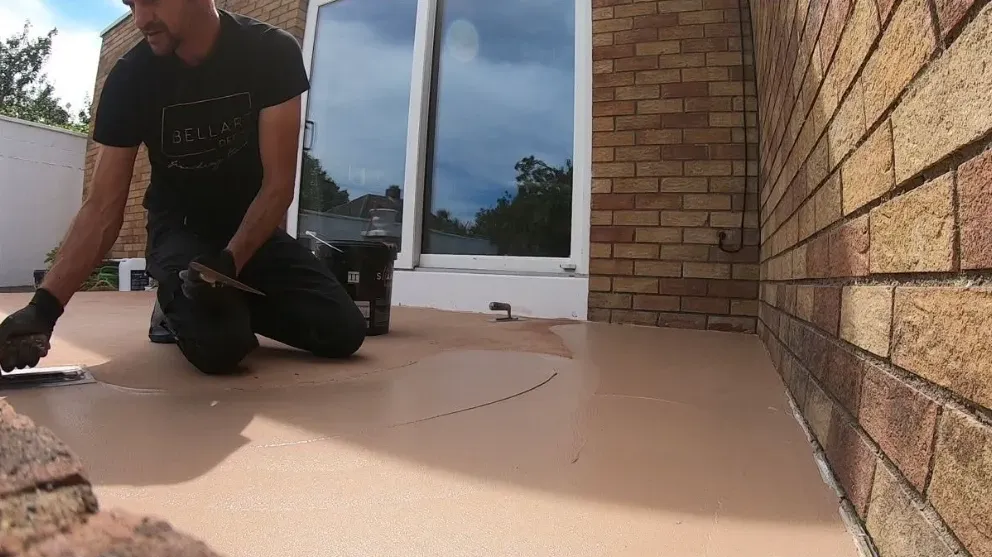
A floor is only as good as what it is laid on. We check the substrate, plan the joints and thresholds, and the same team carries the job from the first visit to handover.
Moisture, cracks and movement are looked at before we quote, so the floor is built for what is under it.
It goes over tile, screed or concrete without raising the floor, so doors and thresholds usually stay as they are.
A thin, dense finish lets the heat through quickly, with no underlay or air gap in the way.
What our clients say
“I can't recommend Haris enough. He's very skilled, respectful and trustful. He was always on time and worked weekends to finish a project which was delayed by another contractor. I am delighted with the microcement in my bathroom. I will choose Haris again.”
“I couldn't recommend Harris more highly. Such a lovely person, extremely knowledgeable, particular and punctual. Came onto a job that was left in a mess by …”
“We had the pleasure of working with Haris on a microcement project, and we couldn't be happier with the results. His passion for his craft is evident in every …”
Ready to start your floor?
Tell us about your space and send a few photos. We will arrange a visit, look at what is there now and come back with a clear, itemised quote.
How a microcement floor is built up, step by step
Total 2-3 mm on a sound substrate. A floor needing levelling first can be more, and that goes on the quote rather than in the small print.
Grinding or abrasion, degreasing, anything loose off.
Microcement follows the profile it is given. A floor out by 5 mm over two metres stays out by 5 mm unless it is levelled.
Different for tile, absorbent screed, damp-risk slab and timber. Not one product.
On timber, on any floor with a history of cracking, and across junctions.
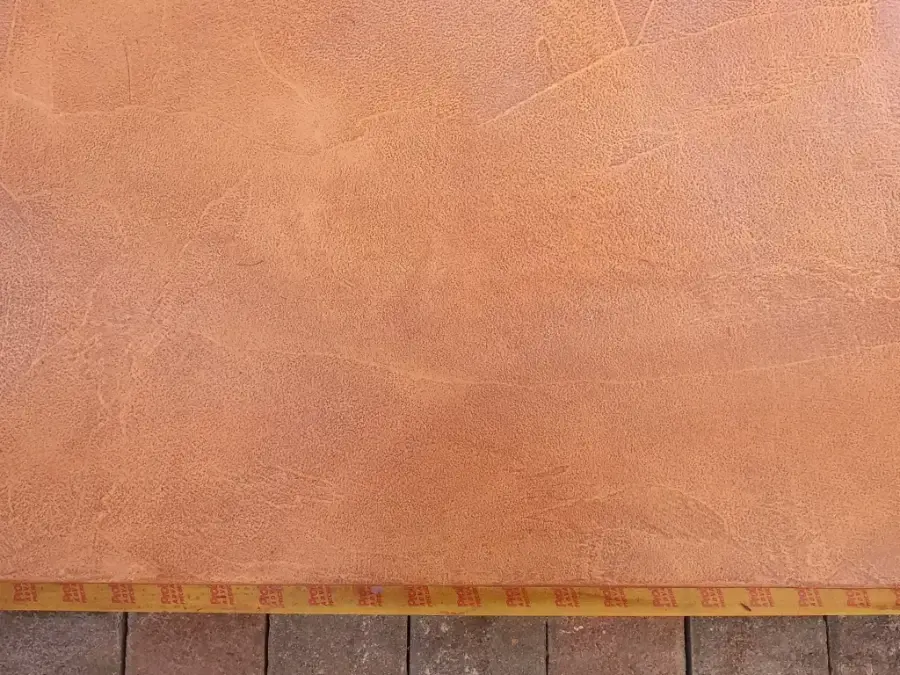
Hand-applied, sanded between coats. This is where the grain and the colour movement come from.
Several coats, matte, satin or gloss.
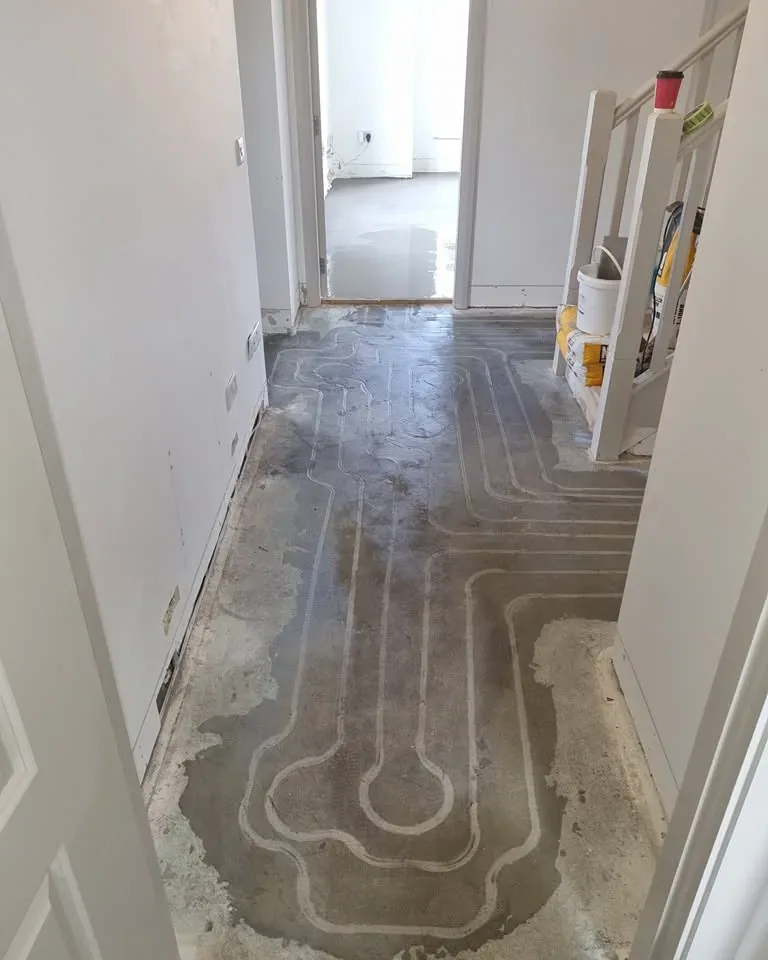
Microcement over underfloor heating
Microcement is one of the better finishes over underfloor heating, and the reason is thickness. Heat crosses 2-3 mm of dense material instead of 10-12 mm of tile plus adhesive, with no underlay or air gap, so the floor heats faster and responds faster to the thermostat.
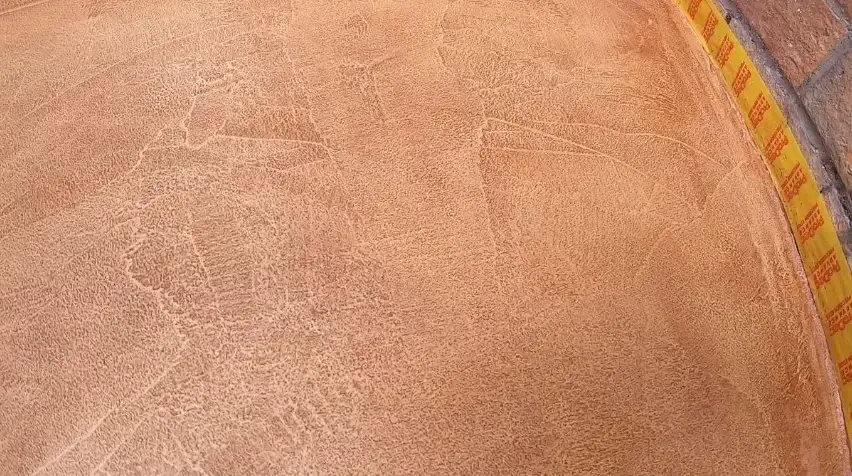
Does a microcement floor crack? Where floors crack, and why
We do not claim microcement never cracks. Three of these four causes are decided before any microcement is opened.
If the slab has a joint, the joint moves. Carrying it through the finish is the only correct answer, and we set it where it reads as a deliberate line, usually at a doorway.
Old concrete against newer screed, or a slab against timber, moves differently either side of the join. That line gets reinforced, and sometimes a joint.
Rising damp, or a slab that has not finished drying, pushes the coating off. We test rather than guess, and we have delayed starts over it.
A floor that flexes under your weight cracks a rigid coating. It gets stiffened, or we do not take it on.
Hairline crazing is repairable, but a repair is always visible to whoever owns the floor.
Microcement floors: doors, thresholds and skirting
At 2-3 mm most floors need no changes at all. Three things we check at survey rather than discover on the day.
Usually a 2-3 mm shave off the bottom, flagged on the quote.
Where microcement meets carpet, timber or existing tile, a flush metal profile or a formed joint. We show you which before it is set.
Off, floor run to the wall, skirting refitted over the edge: the cleanest line. Or up to the existing skirting with a neat silicone joint, which costs less in labour.
Which microcement flooring system goes on which floor
There is no single best microcement flooring system and we do not claim to have one. Holding the Lunik system as exclusive distributor for Ireland and Northern Ireland lets us specify per floor and stand behind material and workmanship together.
Read more +
Floor
System
Living rooms, bedrooms, studies
Everyday system, light traffic, stays dry., grain S (smooth) to XL (rustic).
Hallways, kitchens, stairs
Harder system and a harder sealer. Grit walked in from outside is what abrades a floor, and the wear happens in the first two metres inside the door.
Commercial floors
The most demanding specification in the range → Commercial
Terrazzo look
Terrazzone: aggregate and chip as a continuous coating, no strips → More on Terrazzone
Whatever the system, wear lands on the sealer rather than the microcement. That is deliberate, because a sealer can be renewed.
Sheen and slip. Matte hides marks best and goes into most family homes. Satin lifts the colour slightly. Gloss is the deepest colour and the most reflective floor, and it is slippier when wet, so we will put one in a dry room and not in a hallway that takes wet boots in November. Slip-resistant sealers cost the same.

Microcement flooring questions
How thick is a microcement floor?
2-3 mm in total, including base coats, finish layers and sealer. If the existing floor needs levelling first the build-up is more, and that is specified on the quote rather than decided on site.
Can microcement go over floorboards or plywood?
Yes, but only if the floor is rigid. Boards screwed down, movement eliminated, overboarded where needed, then base-coated with reinforcing mesh bedded in. If it cannot be made rigid we say no rather than take the job.
Does a microcement floor need expansion joints?
Yes, wherever the floor underneath has one and wherever two substrates meet. Covering a structural joint over is the most common cause of a straight-line crack months later. We agree the positions with you first.
Will a microcement floor raise my floor level?
By 2-3 mm, so in most homes nothing needs altering. Internal doors with almost no clearance may need a few millimetres off the bottom. We check every door at survey and put it on the quote.
How long before you can walk on a microcement floor?
Light foot traffic in clean footwear after 48 hours. The sealer takes 5 days to reach full resistance to stains and water, so for the first 5-7 days, depending on the temperature and airflow in the room, keep the floor dry and only walk on it in clean shoes or socks. We confirm the timings for your floor at handover.
Is a microcement floor cold underfoot?
Unheated it feels much like tile or polished concrete: cooler than timber, warmer than stone. Over underfloor heating it is one of the best finishes available, because 2-3 mm lets heat through far faster than tile and adhesive.
Can microcement be used on stairs?
Yes, treads, risers and the whole flight in one finish with no nosing trims. Stairs take a harder system and a slip-resistant sealer, and every tread edge is reinforced, because a nosing is the most vulnerable edge in a house.
Can microcement go over existing floor tiles?
Yes, on sound, well-fixed tiles. We abrade and degrease them, fill the grout lines level and prime, so the old floor becomes the base. Loose or hollow tiles come off first, and that goes on the quote as its own line.
Is a microcement floor durable? Does it scratch?
Wear lands on the sealer rather than on the microcement, which is deliberate, because a sealer can be renewed. Grit walked in from outside is what abrades a floor, so hallways and kitchens get a harder system and a harder sealer. As on any hard floor, furniture should have felt pads.
How do I clean a microcement floor?
Warm water and a pH-neutral cleaner with a soft mop. Avoid bleach, acidic or abrasive cleaners, scouring pads and steam cleaners, which attack the sealer. You get written care instructions at handover.
Is a microcement floor slippery?
It depends on the sealer. Matte and satin grip better than gloss, and gloss is the slippiest when wet, so we do not put it in a hallway that takes wet boots. Slip-resistant sealers cost the same, so a wet entrance gets one.
Can microcement be used on a kitchen floor?
Yes. Kitchens take a harder system and a harder sealer, and the floor can run on into the hall without a threshold. We agree the joints with you before we start.
How much does a microcement floor cost?
It depends on the area, the condition of what is underneath and the system the traffic needs. We quote after seeing the substrate, with preparation and levelling as separate lines, so it can be compared like for like. Our microcement cost guide explains what sits behind a quote.
More microcement
Get a sample in your colour, and a quote on your room
Tell us the room, roughly how many square metres, and what is on the walls and floor now.